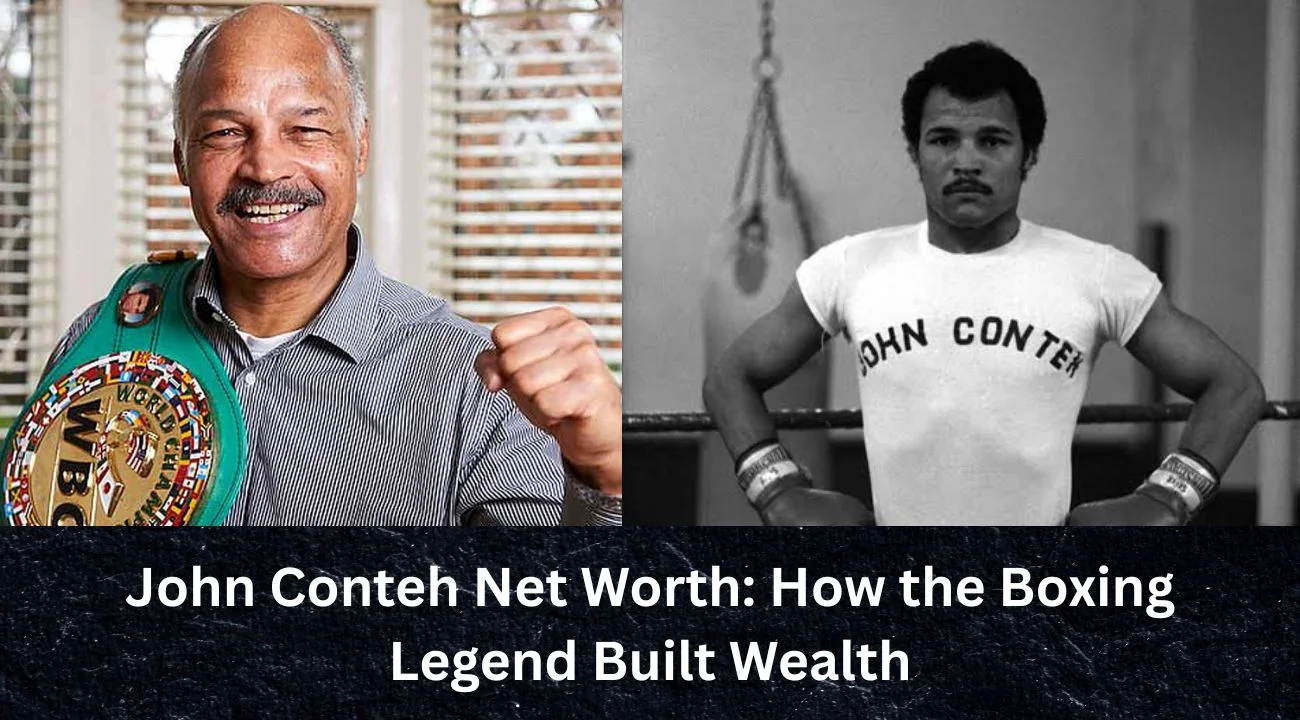
John Conteh remains one of British boxing’s most respected names, remembered for his light-heavyweight reign as WBC world champion in the 1970s. Born in Toxteth, Liverpool, he rose from amateur ranks to Commonwealth gold before turning professional and claiming British, European, and world titles. Public estimates of his net worth vary widely across sources, reflecting career-era fight purses rather than modern pay-per-view economics, along with later income from media appearances, public speaking, and brand partnerships.
While no official financial disclosure exists, his post-retirement career shows how former champions diversify earnings through commentary work, endorsements, and community engagement. This overview looks at his career earnings, financial journey, and life beyond the ring.
John Conteh Net Worth in 2026
John Conteh, the Liverpool-born former WBC light-heavyweight world champion, continues to draw searches for his current net worth, career earnings, and life after boxing. As of 2026, no official financial disclosure confirms a single figure — public estimates across various sources range broadly, from roughly £500,000 to several million dollars, reflecting differences in methodology rather than verified records. His wealth traces back to championship fight purses during his 1974–1977 title reign, followed by decades of diversified income through media work, television appearances, public speaking, and brand partnerships. Unlike modern boxers benefiting from global pay-per-view deals, Conteh’s era relied on gate receipts, title bouts, and reputation, making direct financial comparisons misleading. Beyond the ring, his enduring credibility comes from his MBE honor, Commonwealth Games gold medal, and decades-long public profile as a boxing ambassador, all contributing to his post-retirement earning potential and lasting legacy in British sporting history.
| Category | Details |
| Full Name | John Anthony Conteh |
| Born | 27 May 1951, Toxteth, Liverpool |
| Profession | Former professional boxer |
| Peak Title | WBC Light-Heavyweight World Champion (1974–1977) |
| Estimated Net Worth (2026) | Varies by source; no official figure confirmed |
| Primary Income Sources | Fight purses, media appearances, public speaking |
| Honors | MBE, Commonwealth Games gold medalist |
| Marital Status | Married to Veronica Conteh |
How John Conteh Built His Net Worth
John Conteh’s wealth-building journey began in the boxing ring, where disciplined training and early amateur success laid the foundation for his professional career. After winning Commonwealth Games gold, he turned professional and steadily climbed through British, European, and world title fights, culminating in his WBC light-heavyweight championship reign from 1974 to 1977. Fight purses from these championship bouts formed the bulk of his career earnings, though boxers from his era earned considerably less than today’s fighters, given the absence of global pay-per-view revenue and modern sponsorship deals. His income depended largely on gate receipts, title status, and reputation rather than broadcast rights.
Beyond active competition, Conteh diversified his earnings through post-retirement ventures, including media appearances, television work, public speaking engagements, and brand partnerships that capitalized on his lasting credibility as a British sporting icon. His MBE honor and continued visibility, including guest appearances and interviews, have helped sustain his public profile and income streams for decades. Rather than one dramatic payday, his financial story reflects steady accumulation through longevity, reputation management, and smart diversification beyond athletic competition — a pattern common among respected retired athletes navigating life after sport.
John Conteh’s Boxing Career Earnings
John Conteh’s boxing career earnings stemmed primarily from championship fight purses, gate receipts, and title-defense bouts rather than the broadcast-driven paydays common in modern boxing. His most lucrative period came during his WBC light-heavyweight title reign from 1974 to 1977, when he defended his championship against elite international opponents. Earnings during this era were shaped by venue size, opponent status, and title prestige, since pay-per-view revenue and global broadcasting deals — now a major income source for professional fighters — were largely unavailable to boxers of his generation. Exact purse figures from individual fights remain undisclosed, as no official financial records have been published.
Before reaching world champion status, Conteh built earning potential through domestic wins, including British and European title fights, which increased his marketability and fight-night compensation. His amateur success, including a Commonwealth Games gold medal, also strengthened his professional profile early on. While his career earnings reflect the economic realities of 1970s boxing rather than today’s mega-purses, his sustained title reign and international bouts demonstrate consistent, reputation-driven income growth throughout his competitive years in the sport.
Sources of John Conteh’s Income
John Conteh’s income has come from a mix of active boxing earnings and post-retirement ventures built on his lasting reputation. During his competitive years, championship fight purses formed his primary income source, particularly throughout his WBC light-heavyweight title reign, alongside earnings from British, European, and Commonwealth-level bouts. Ticket sales, venue prestige, and opponent caliber all influenced purse amounts, since modern revenue streams like pay-per-view broadcasting and global sponsorship deals were largely unavailable to boxers competing in his era.
After retiring from professional boxing, Conteh diversified his income through media appearances, television work, and public speaking engagements that capitalized on his credibility as a respected sporting figure. Guest appearances, interviews, and occasional acting roles have added supplementary income streams, while his MBE honor and Commonwealth Games legacy continue to support brand partnerships and event bookings. Charity involvement and community engagement have further reinforced his public profile without necessarily generating direct income. Together, these diverse sources illustrate a common pattern among retired athletes: transitioning from competition-based earnings to reputation-driven income built on trust, visibility, and long-term public goodwill.
John Conteh’s Lifestyle and Assets
John Conteh has largely maintained a private and modest lifestyle since retiring from professional boxing, avoiding the extravagance often associated with modern athletes. Public records offer no official disclosure of specific assets, such as property holdings or luxury purchases, which is common among boxers from his generation who competed before today’s era of mega-endorsements and global media exposure. Instead, his public image centers on discipline, family stability, and long-term financial prudence rather than visible displays of wealth.
Conteh has remained married to his wife, Veronica, for decades, reflecting a grounded personal life away from tabloid attention. His continued involvement in community events, charity appearances, and boxing ambassador roles suggests a lifestyle rooted in legacy and public service rather than consumption. Without verified financial disclosures, claims about specific assets or luxury lifestyle details should be treated as unconfirmed. This approach — prioritizing accuracy over speculation — aligns with trustworthy, expert-backed content standards rather than unverifiable lifestyle claims common in low-quality financial content.
Career Highlights That Increased John Conteh’s Wealth
Several key milestones in John Conteh’s boxing career directly boosted his earning potential and long-term wealth. His 1970 Commonwealth Games gold medal first established his reputation as an elite amateur talent, setting the stage for a lucrative professional career. Turning pro soon after, he built momentum through British and European title wins, each victory increasing his marketability and fight-night purses. His defining achievement came in 1974, when he won the WBC light-heavyweight world championship, a title he defended successfully through 1977 against top international opponents, generating his most substantial career earnings during this championship reign.
Beyond title fights, Conteh’s crossover cultural moments — including his appearance in prison-style attire on Paul McCartney and Wings’ Band on the Run album cover — expanded his public recognition beyond core boxing audiences. This broader visibility later supported media opportunities, speaking engagements, and brand partnerships after retirement. His MBE honor further cemented his credibility, opening doors to ambassadorial and community-based roles. Together, these career highlights illustrate how championship success and cultural relevance combined to sustain his income well beyond his active competing years.
John Conteh’s Legacy Beyond Boxing
John Conteh’s influence extends well beyond his championship record, shaping his standing as one of British boxing’s most respected cultural figures. His MBE honor recognized contributions that reached past athletic achievement, acknowledging his broader impact on British sport and public life. His appearance on the iconic Band on the Run album cover by Paul McCartney and Wings linked him to popular culture in a way few boxers of his era experienced, extending his recognition to audiences outside traditional boxing fandom. This crossover appeal helped cement his identity as a genuine sporting icon rather than a niche athletic figure.
In retirement, Conteh has continued shaping his legacy through community engagement, public speaking, and mentorship-style involvement in boxing culture, inspiring younger athletes with lessons in discipline and resilience. His long, stable marriage to Veronica further reflects a life defined by consistency rather than controversy, reinforcing his image as a trustworthy, principled figure. Media appearances, including recent television guest spots, have kept his story relevant to new generations. Altogether, his legacy demonstrates how sustained credibility, cultural relevance, and personal integrity can outlast a competitive career, offering lasting influence far beyond the ring itself.
FAQ’s About John Conteh Net Worth
1. What is John Conteh’s net worth in 2026?
There’s no official figure — public estimates vary widely across sources, so any exact number should be treated as unconfirmed.
2. How did John Conteh make his money?
Mainly through championship boxing purses, followed by post-retirement income from media appearances, public speaking, and brand partnerships.
3. Is John Conteh still married?
Yes, he has been married to his wife, Veronica, for decades.
4. What was John Conteh’s biggest boxing achievement?
Winning the WBC light-heavyweight world championship in 1974 and defending it successfully through 1977.
5. Does John Conteh still earn money today?
Yes, through occasional media work, public appearances, and his ongoing role as a boxing ambassador.
Conclusion
John Conteh’s financial journey reflects a career built on championship success rather than the mega-purses of modern boxing. While his exact net worth remains unconfirmed due to the absence of official financial disclosures, his wealth traces back to a defining WBC light-heavyweight title reign, reinforced by decades of reputation-driven income through media work, public speaking, and brand partnerships. His story illustrates how discipline, cultural relevance, and long-term credibility can sustain an athlete’s earning potential well beyond active competition.
Beyond the financial figures, Conteh’s legacy stands as a reminder that lasting influence often outweighs monetary wealth. His MBE honor, Commonwealth Games gold, and continued public presence show a life shaped by consistency and integrity rather than headline-grabbing extravagance. For readers researching John Conteh’s net worth, the key takeaway isn’t a precise dollar amount, but a broader picture of how championship achievement, cultural relevance, and post-retirement diversification combine to build enduring financial and reputational stability.